
April 9, 2026
How to Prepare Your Facility for a Rigging or Machinery Moving Project
How to prepare your facility for a rigging or machinery moving project is a critical step in preventing delays, avoiding safety risks, and ensuring your operation stays on schedule.
Key Summary
- Proper facility preparation reduces downtime and keeps projects on schedule
- Clear access, accurate equipment data, and coordination are essential
- Planning ahead helps avoid safety issues and costly delays
- Working with an experienced rigging partner improves efficiency and execution
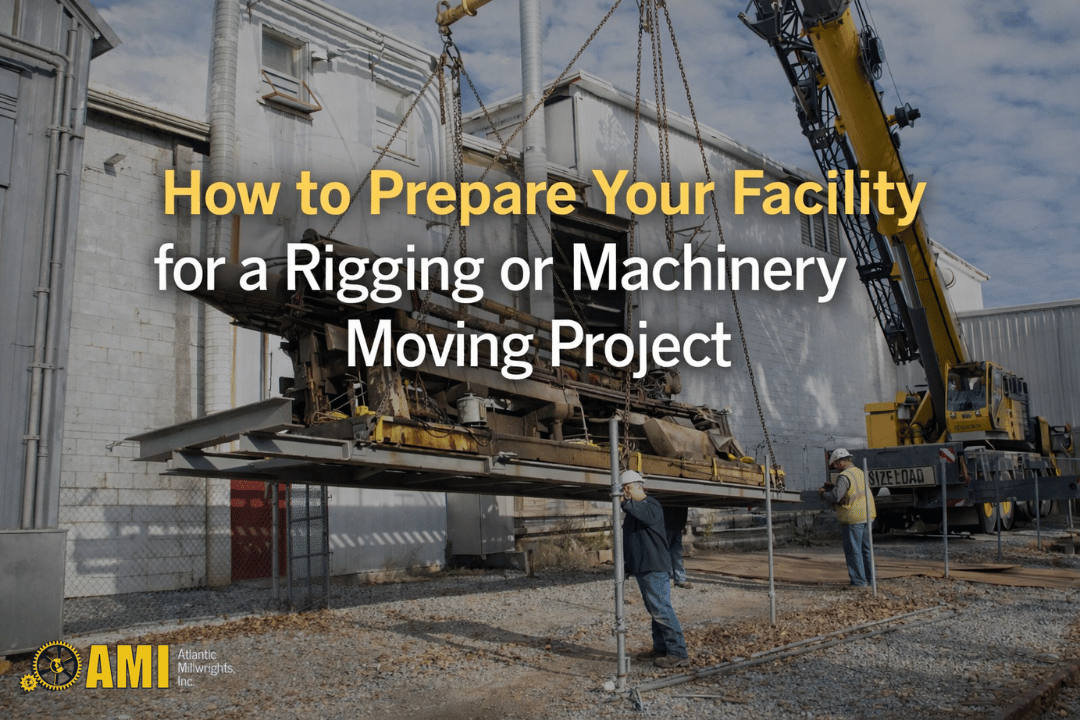
Proper preparation ensures safe and efficient rigging and machinery moving projects.
Why Facility Preparation Matters
Rigging and machinery moving projects require more than just equipment and labor. The condition of your facility, access points, and internal coordination all impact how smoothly the project runs.
Without proper preparation, even a well-planned project can run into delays, safety concerns, or unexpected complications.
Working with a team like Atlantic Millwrights helps ensure that preparation is handled correctly before any equipment is moved.
If you are planning a project, understanding how rigging services are executed will help you prepare more effectively.
Evaluate Site Access and Layout
One of the first steps in preparing your facility is evaluating access. This includes entry points, ceiling height, floor load capacity, and pathways for moving equipment.
Obstructions such as tight corners, overhead structures, or limited clearance can impact how equipment is moved and positioned.
A professional rigging team will assess these factors in advance, but having this information ready helps streamline planning.
Clear Pathways and Work Areas
Before the project begins, all pathways should be cleared to allow safe and efficient movement of equipment. This includes removing obstacles, relocating materials, and ensuring work zones are accessible.
Unclear or cluttered areas increase the risk of delays and safety incidents.
Confirm Equipment Specifications
Accurate equipment data is essential for planning a rigging project. This includes weight, dimensions, center of gravity, and any special handling requirements.
Without this information, teams may not have the correct tools or lifting strategy in place.
If you are unsure what details are needed, reviewing a guide like what is rigging service can provide helpful context.
Coordinate with Internal and External Teams
Rigging projects often involve multiple teams, including operations, maintenance, electricians, and contractors. Coordination between these groups is critical to avoid delays and conflicts.
This includes scheduling shutdowns, aligning timelines, and ensuring all parties understand their role in the project.
In many cases, rigging work is closely tied to services like millwright services, especially when equipment needs to be installed and aligned after being moved.
Plan for Power and Utility Shutdowns
Many machinery moving projects require temporary shutdowns of power, water, or other utilities. Planning these shutdowns in advance helps prevent disruptions to other parts of the facility.
Coordinating these details early ensures the project can move forward without unnecessary delays.
Understand Project Timeline and Expectations
Knowing how long the project will take and what to expect at each stage helps you prepare your team and operations accordingly.
Factors such as equipment complexity, site conditions, and coordination requirements all impact the timeline.
Understanding costs and scope can also help set expectations. For more insight, review this breakdown of rigging services cost in Massachusetts.
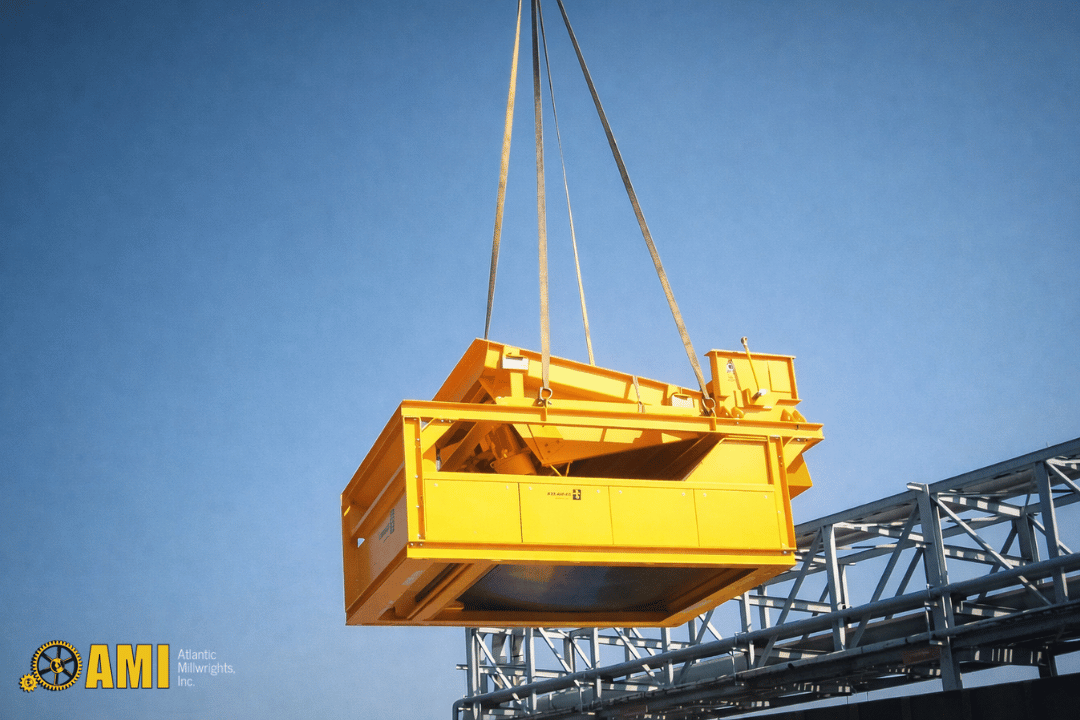
Precision lifting is critical when handling large industrial equipment during rigging projects.
How Proper Preparation Reduces Downtime
The more prepared your facility is, the faster and more efficiently the project can be completed. Proper planning reduces delays, improves safety, and keeps your operation running with minimal disruption.
Preparation is one of the most effective ways to protect your timeline and avoid unexpected issues.
If you are preparing for an upcoming project, request a quote to start planning with an experienced team.
Why the Right Partner Improves Execution
Even with strong internal preparation, the success of a rigging project depends on the team executing it. An experienced partner will guide the process, identify potential issues early, and ensure everything runs smoothly.
Choosing the right company helps you avoid risk and maintain control over your project.
If you need support with planning or execution, contact us to get started.
Frequently Asked Questions
What should I do before a rigging project starts?
You should evaluate site access, clear pathways, confirm equipment specifications, and coordinate with all teams involved in the project.
Why is facility preparation important for machinery moving?
Proper preparation helps prevent delays, improves safety, and ensures the project can be completed efficiently without disruptions.
What information does a rigging company need?
Rigging companies need equipment weight, dimensions, layout details, and access information to plan the project correctly.
How do I reduce downtime during a rigging project?
You can reduce downtime by preparing your facility in advance, coordinating schedules, and working with an experienced rigging team.
Who should be involved in planning a rigging project?
Planning should involve operations, maintenance, contractors, and any teams responsible for equipment, utilities, or scheduling.